Navigating the Cognitive Landscape of Entrepreneurship
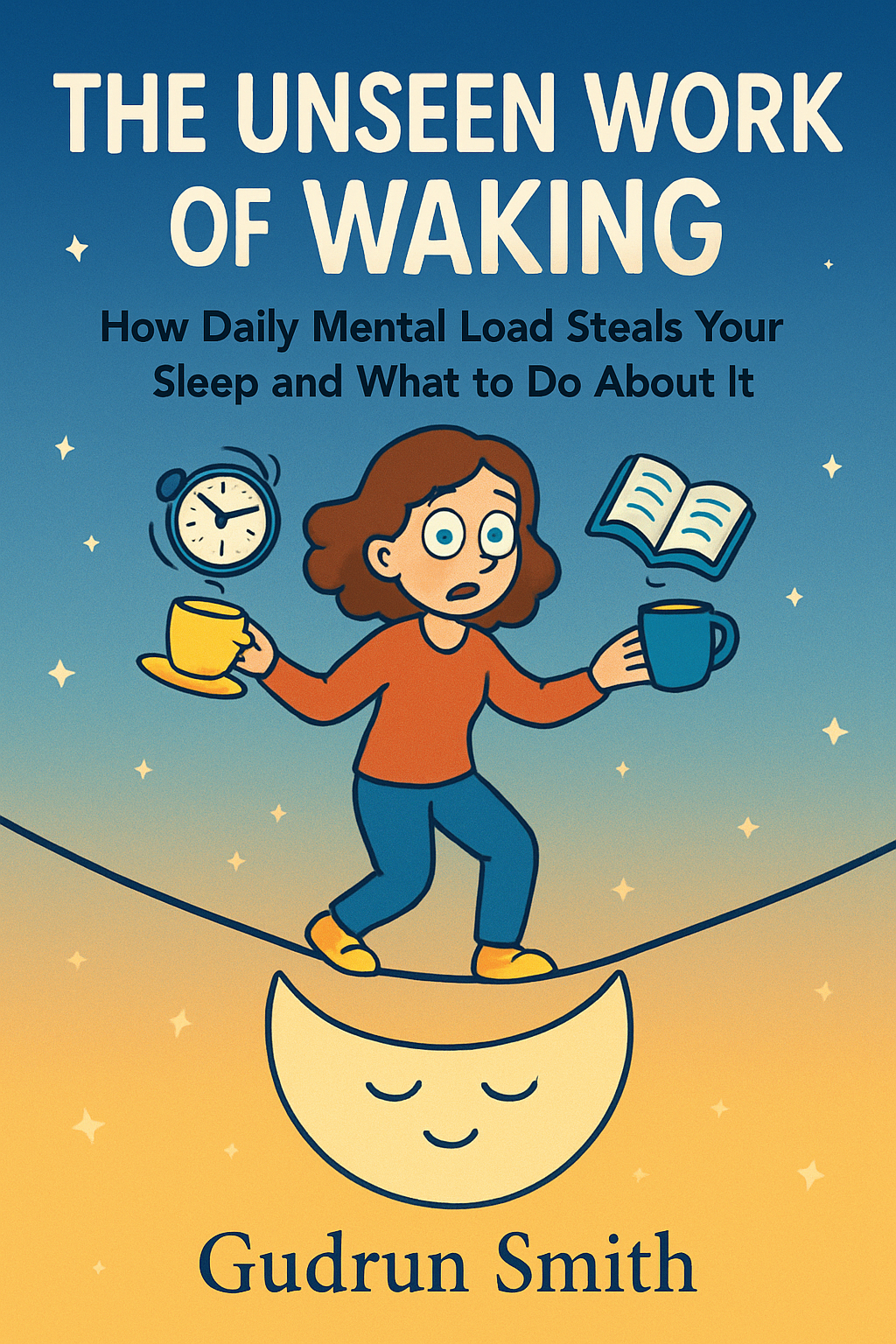
The "Resilient Entrepreneur's Guide to Structuring Chaos" posits that the pervasive feeling of being overwhelmed is not a personal shortcoming but rather a measurable state of cognitive overload. By applying Cognitive Load Theory, the framework distinguishes between the intrinsic difficulty of a task, the extraneous clutter created by inefficient processes, and the germane effort required to build lasting mental schemas. This pressure is often exacerbated for female entrepreneurs who shoulder a double burden of professional and domestic responsibilities, resulting in a specific form of chronic emotional fatigue and mental drain.
The Neurobiology of Resilience and Stress
Central to this guide is the exploration of how trauma and stress impact the neurobiology of leadership. Past trauma can trigger a state of hypervigilance that actively impairs executive function and muddies decision-making capabilities. In this context, resilience is framed as a strategic ability to adapt to one’s own limitations while managing stress, ensuring that historical trauma does not dictate the current trajectory of the business. Understanding these biological roots allows leaders to address the underlying causes of their stress rather than viewing their reactions as a failure of willpower.
Managing Decision Fatigue and Strategic Pivoting
Entrepreneurs face a significant cognitive cost whenever they are forced into constant pivoting or frequent task-switching. This persistent drain on mental resources leads directly to decision fatigue, a state where the ability to make sound choices is replaced by impulsivity or total avoidance. Each shift in strategy or focus incurs a measurable "switch cost" that steadily erodes performance and mental energy over time. By recognising this drain, entrepreneurs can better protect their mental resources and minimise the frequency of unnecessary shifts that lead to burnout.
A Framework for Categorising Business Disorder
To manage disorder more effectively, the guide offers a taxonomy that separates challenges into complicated, complex, and chaotic categories. While complicated problems can be resolved through existing knowledge and procedures, complex issues require a much higher level of adaptability and resilience. Chaotic situations represent a total fracture in structure that necessitates immediate, proactive system-building. It is crucial for a leader to distinguish between the friction that naturally accompanies healthy growth and the fracture of structure that signals a systemic failure in the business model.
Aligning Biology with Business Systems
Finally, the concept of biological chaos is introduced to describe the mismatch between an entrepreneur’s physical capacity and the relentless demands of their company. When these elements are out of sync, the resulting stress stifles creativity and leads to a cycle of self-inflicted disorder. The guide concludes that by acknowledging these cognitive and biological boundaries, entrepreneurs can move away from self-blame. Instead, they can focus on implementing external systems and structures that accommodate their human limitations, ultimately fostering a more resilient and sustainable environment for creativity to thrive.


Gudrun’s Books
…
What You'll Get:
An online book which you can download and save on your devices.